
Blog

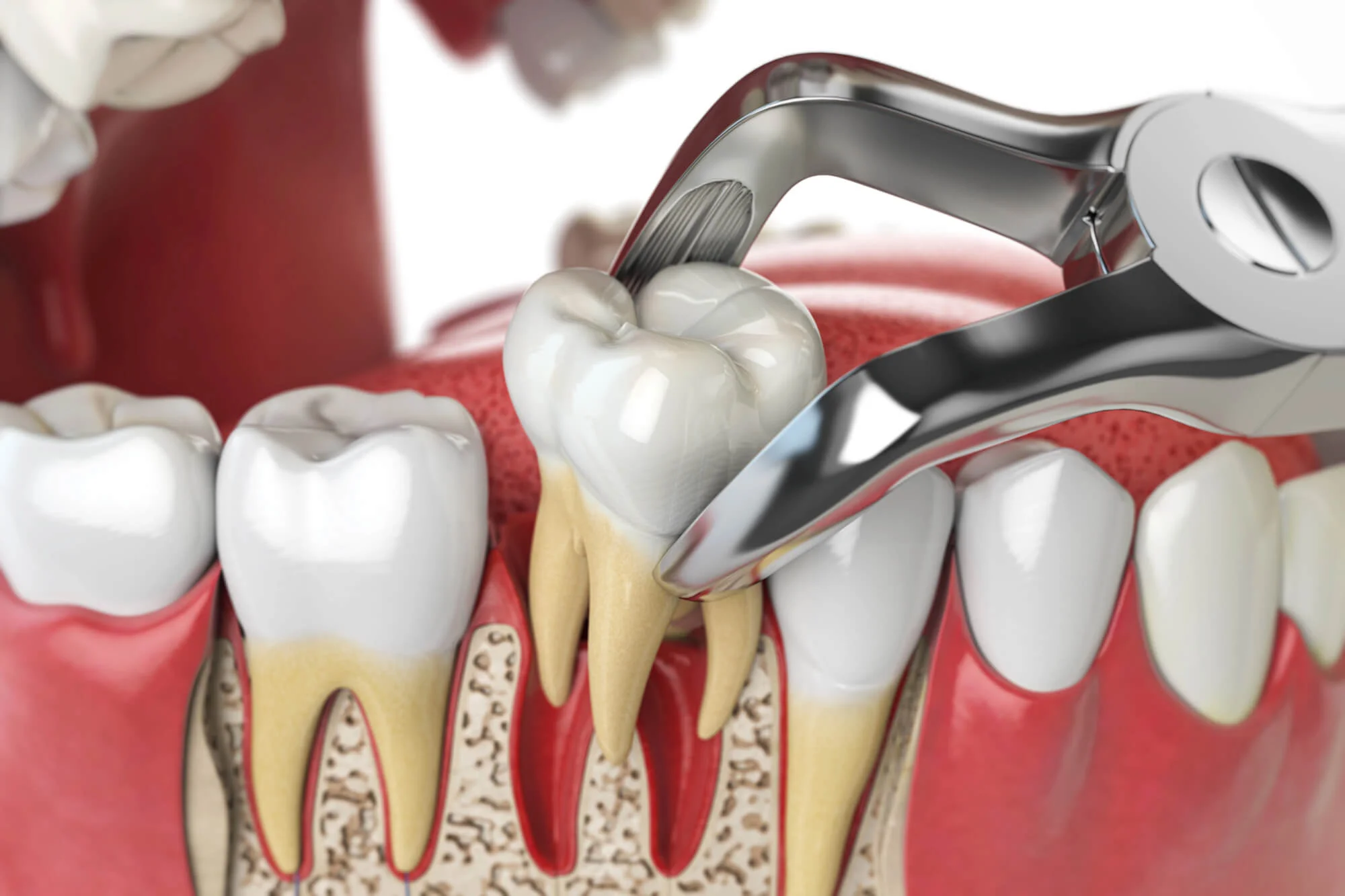
It can feel overwhelming dealing with tooth pain and being told you might need a tooth extraction near me. While preserving natural teeth is always the primary goal, there are situations where removing a tooth is the healthiest option for your smile. Knowing the warning signs can help you seek treatment before the problem becomes more serious.
Modern dentistry offers many ways to save damaged teeth. However, when a tooth can no longer function properly or poses a threat to your oral health, an extraction may provide lasting relief and help protect the surrounding teeth and gums.

Cavities caught early can often be treated with fillings or dental crowns. When decay extends deep into the tooth and destroys too much healthy structure, restoration may no longer be possible.
If the infection reaches the tooth's root and treatment cannot successfully eliminate the damage, your dentist may recommend removing the tooth to prevent the infection from spreading.
Severe decay can also lead to persistent toothaches, sensitivity to hot or cold foods, swelling, and difficulty chewing comfortably. In some cases, an untreated infection may spread to the surrounding gums, bone, or neighboring teeth, creating more complex oral health concerns. Removing a severely damaged tooth can help relieve discomfort and protect the rest of your smile. After the extraction, your dentist can discuss replacement options that restore function, appearance, and long-term oral health.
Healthy gums provide the foundation that keeps teeth securely in place. Advanced periodontal disease gradually destroys the bone and tissues supporting your teeth.
As the disease progresses, teeth may loosen, shift, or become painful while chewing. In severe cases, extraction may be the best option to protect your overall oral health and prepare for future tooth replacement.
Not every cracked tooth needs to be removed. Small cracks can often be repaired using bonding or crowns.
Deep fractures that extend below the gumline or into the root may not be repairable. These cracks allow bacteria to enter areas that cannot heal properly, increasing the risk of infection and persistent pain.
Your dentist will evaluate the location and severity of the fracture before recommending treatment.
Symptoms of a severely cracked tooth may include sharp pain when biting, sensitivity to temperature changes, swelling around the affected area, or discomfort that comes and goes unexpectedly. In some cases, the crack may not be visible to the naked eye and requires X-rays or advanced imaging for diagnosis. If the damage compromises the tooth's structure or threatens surrounding tissues, extraction may be the best option to protect your oral health and prevent further complications.
Wisdom teeth do not always have enough room to erupt properly. They may remain trapped beneath the gums or emerge at an angle that places pressure on neighboring teeth.
Impacted wisdom teeth can cause:
Removing impacted wisdom teeth often prevents future complications.
Sports injuries, falls, or accidents can severely damage teeth. While dentists often save injured teeth, significant fractures or damage below the gumline sometimes make extraction the safest option.
Prompt evaluation after dental trauma improves the chances of preserving your natural tooth whenever possible.
Many dental problems worsen when left untreated. Contact your dentist if you experience:
An early evaluation often allows your dentist to explore conservative treatment before extraction becomes necessary.
Ignoring dental pain rarely solves the issue. Infection can spread to surrounding teeth, gums, and jawbone, making treatment more complicated.
Untreated damage may also increase discomfort and limit future restorative options. Seeking care promptly helps protect both your oral health and overall well-being.
If a tooth must be removed, replacing it is often recommended to maintain a healthy bite and prevent neighboring teeth from shifting.
Modern tooth replacement options are designed to look natural while restoring your ability to eat, speak, and smile confidently. Your dentist will discuss the most suitable solution based on your oral health, goals, and budget.
No two dental situations are exactly alike. Some damaged teeth can be restored successfully, while others require removal to protect the rest of the mouth.
Your dentist will perform a comprehensive examination, review digital X-rays, and explain every available treatment option before recommending extraction. Understanding your choices helps you make confident decisions about your care.
No. Dentists always try to preserve natural teeth whenever possible. Treatments such as fillings, crowns, root canals, or periodontal therapy are typically considered before recommending extraction.
Modern dental techniques and local anesthesia help keep patients comfortable during the procedure. Your dentist will explain pain management options and provide instructions to support a smooth recovery.
After an extraction, your dentist will recommend ways to replace the missing tooth when appropriate. Options may include dental implants, bridges, or dentures to restore your smile and maintain proper function.

If you're experiencing ongoing tooth pain, swelling, or damage, don't wait for the problem to become more serious. Tooth extraction is often the first step toward relieving discomfort and protecting your long-term oral health.
At Black Bear Dental, our team is committed to providing gentle, personalized care while helping you understand every stage of your treatment. Whether your tooth can be saved or an extraction is the healthiest option, we're here to guide you with compassion and expertise. Contact Black Bear Dental today to schedule your evaluation and take the next step toward a healthier smile.

