
Blog

Many people searching for clear aligners near me want one main answer before starting treatment: how long will it take to straighten my teeth? It is a smart question. Clear aligners are popular because they offer a discreet, comfortable way to improve your smile while fitting into daily life. Knowing the expected timeline helps you plan with confidence.
The truth is that treatment time varies from person to person. Some patients see results in a few months. Others need more time for complex movement. The good news is that clear aligners are designed to move teeth in steady, controlled stages. With consistency and guidance from your dentist, progress can be both predictable and rewarding.
If you have been thinking about improving crowded, spaced, or mildly crooked teeth, understanding the timeline can help you decide when to begin.
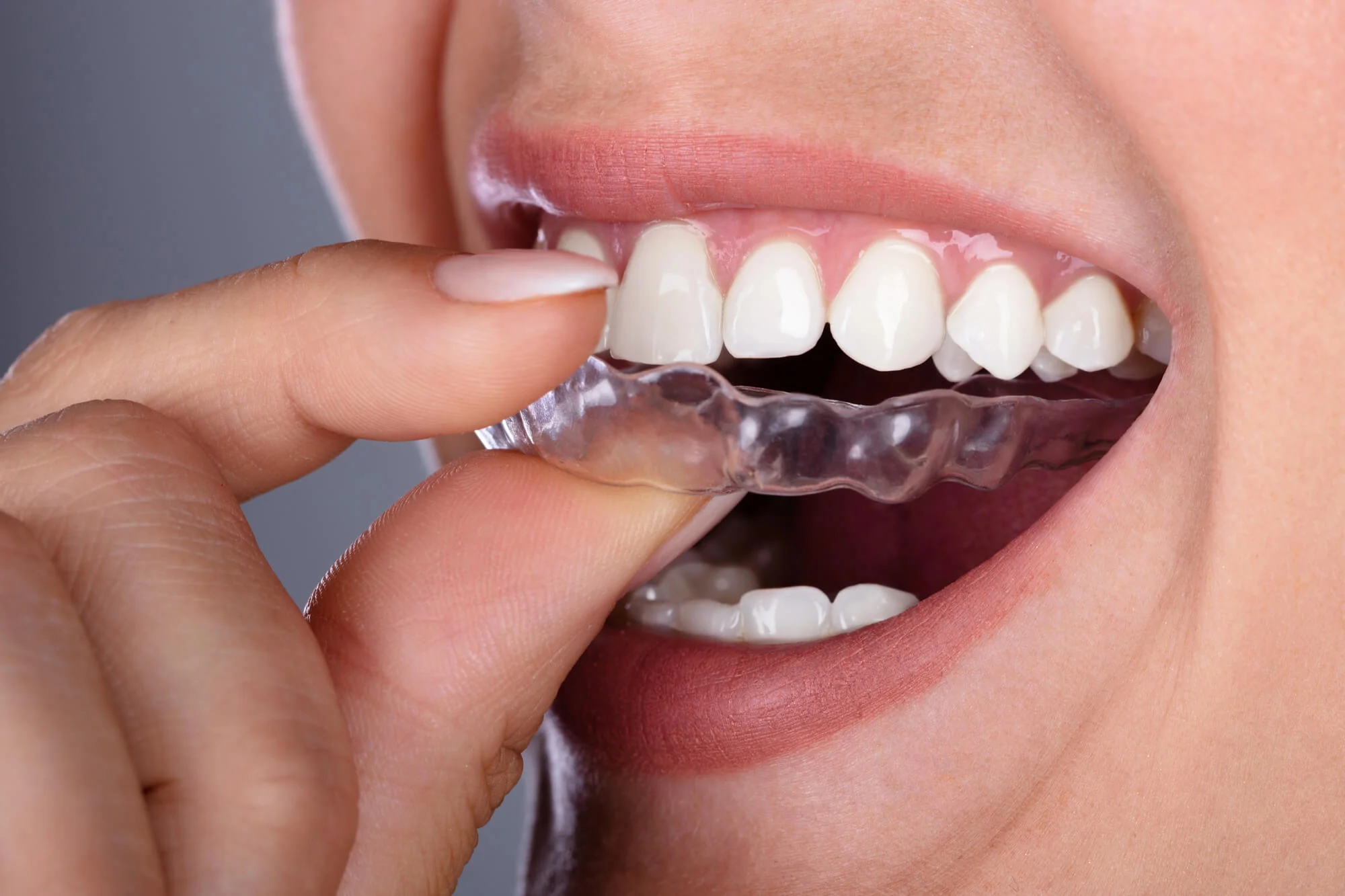
Most clear aligner cases take between six and eighteen months. Mild alignment concerns may be corrected faster, while moderate or complex cases often need more time. Every smile starts in a different place, so timelines are based on your teeth, bite, and treatment goals.
Some patients notice visible improvements in only a few weeks. That early progress can feel exciting, yet full treatment should continue until the final position is reached and approved by your provider.
Small spacing issues, slight crowding, or minor relapse after braces may respond quickly to aligner treatment. These cases sometimes finish in as little as three to six months.
Because the tooth movement needed is smaller, each set of trays can guide teeth into place more efficiently. Even short treatment plans still require daily commitment and follow-up visits.
If teeth are significantly crowded, rotated, widely spaced, or affected by bite problems, treatment may last twelve to twenty-four months. More complicated movement requires careful planning and slower adjustments to protect comfort and long-term stability.
Complex cases can still achieve excellent results. They simply need patience and a customized approach. Many patients feel the time investment is worth it once they see the final outcome.
One of the biggest factors in treatment speed is how often you wear the aligners. Most providers recommend wearing them around 20 to 22 hours each day. Removing them too often can slow progress because teeth need consistent pressure to move as planned.
Helpful habits include:
Consistency often shortens delays and keeps treatment on track.
Clear aligners are usually switched every one to two weeks, depending on your treatment plan. Each new set moves teeth a little closer to the desired position. These gradual steps are part of what makes aligners comfortable and effective.
Skipping ahead to the next tray without approval can cause poor tracking or discomfort. Staying with the planned sequence gives teeth time to respond properly.
Teeth can move successfully at many ages. Teens and adults both use clear aligners. Younger patients may sometimes respond faster because bone remodeling can occur more readily. Adults still achieve excellent results, though timelines may vary based on gum health, previous dental work, and case complexity.
The most important factor is not age alone. It is having healthy teeth and gums before treatment begins.
Many patients finish treatment exactly as planned. Others need refinement trays near the end. These additional aligners make small final adjustments to improve precision. Refinements are common and should not be seen as a setback.
They often help create the polished result patients want. Minor extra time can lead to a much better finish. These trays may close tiny gaps, improve tooth angles, or fine-tune the bite for better comfort and balance. In many cases, refinements are the final step that transforms good results into excellent ones.

Your daily habits play a major role in success. Patients who follow instructions closely often enjoy smoother treatment and fewer delays.
Ways to support progress include:
Simple routines make a big difference over time.
Clear aligners can improve many common concerns, including crowding, gaps, mild bite issues, and crooked teeth. They also offer the convenience of removing trays for meals and oral hygiene.
Patients often appreciate that treatment feels less noticeable than braces. As teeth begin to move, confidence may grow long before treatment is complete.
Many people wait months or years before beginning orthodontic care. In some cases, alignment issues become harder to manage over time if crowding worsens or teeth shift more. Teeth can continue moving throughout life, especially after past braces or tooth loss. Starting now may help you reach your goals sooner and prevent minor concerns from becoming larger treatment needs.
Delaying care can also affect daily comfort and confidence. Crowded teeth may be harder to clean, which can increase the risk of plaque buildup and gum irritation. Bite issues may also place uneven pressure on certain teeth. Addressing concerns early often creates a smoother path forward.
A consultation gives you a personalized timeline instead of guessing based on online averages. Digital scans, photos, and an exam help your provider map out each stage of movement. That clarity can make the next step feel much easier and far more motivating.

If you are searching for clear aligners near me, the best way to learn your timeline is through a professional evaluation. Every smile is unique, and treatment length depends on your starting point, goals, and consistency. Whether your case is simple or more complex, clear aligners can offer a comfortable path to straighter teeth.
Ready to take the next step? Contact Black Bear Dental today to schedule your consultation and discover how soon your new smile could begin.

